Wild Life
- Home
- Wild Life
Real Wildlife. Real Research. Real Impact.



Amphibians
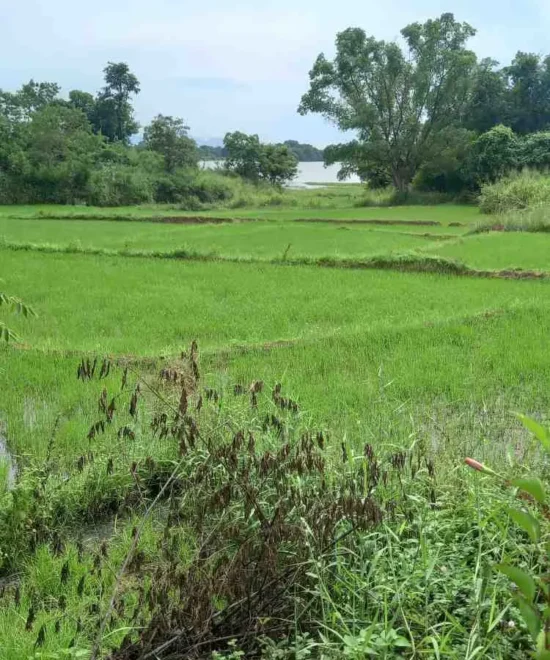
Discover the hidden gems of Sri Lanka’s wetlands and forests.
Sri Lanka is home to over 120 amphibian species, 90% of which are endemic. At Wasgamuwa, you’ll explore their nocturnal world through guided night walks and habitat surveys. Learn identification, population monitoring, and the importance of amphibians as bioindicators of healthy ecosystems.
- Activities: Night amphibian surveys, water quality testing, species identification workshops
- Skills Gained: Habitat mapping, ecological monitoring, data recording


Aquatic Ecosystem
Dive into the lifeblood of the wilderness — our freshwater ecosystems.
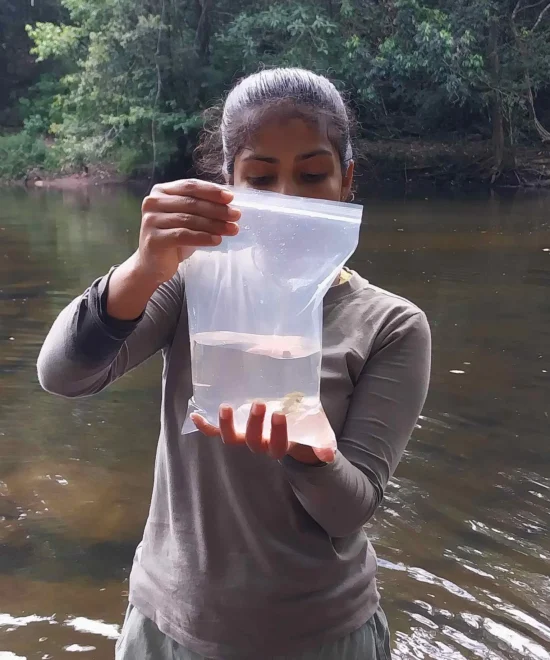
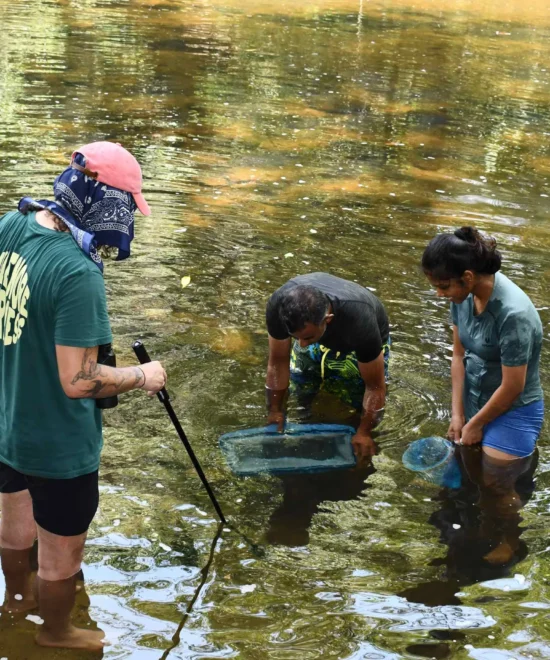
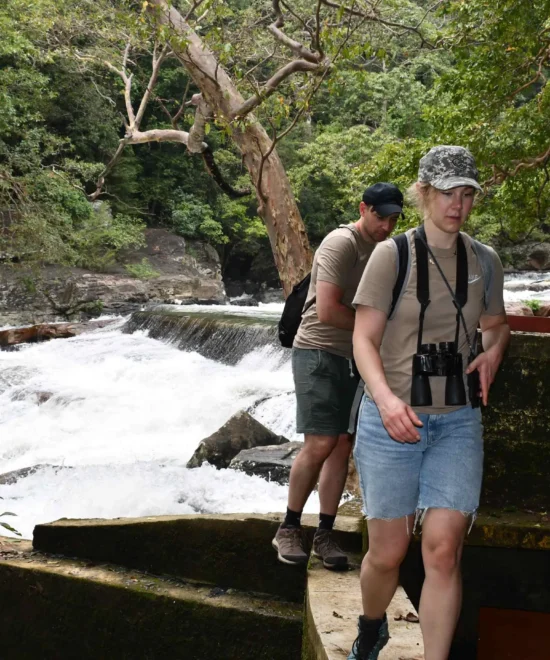
Study rivers, lakes, and streams teeming with life. Participants collect water samples, assess aquatic flora and fauna, and understand the delicate balance between biodiversity and human activity.
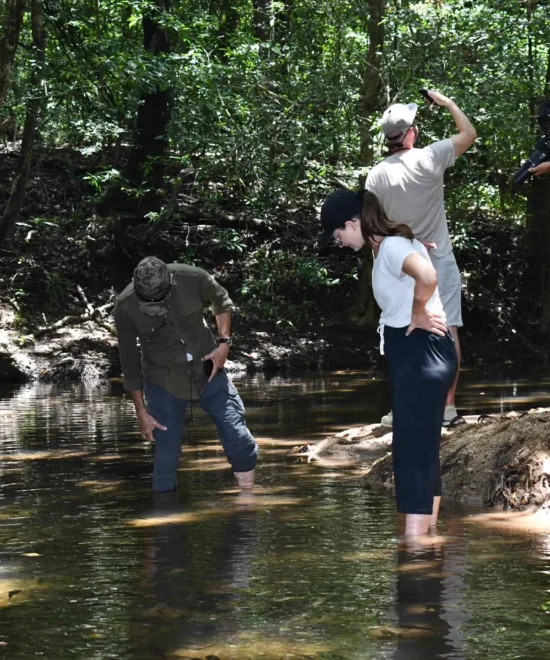
- Activities: Stream wading, fish identification, macroinvertebrate sampling
- Skills Gained: Aquatic health assessment, ecosystem analysis, biodiversity data interpretation


Avian (Bird) Ecology & Identification
Where sky meets science.
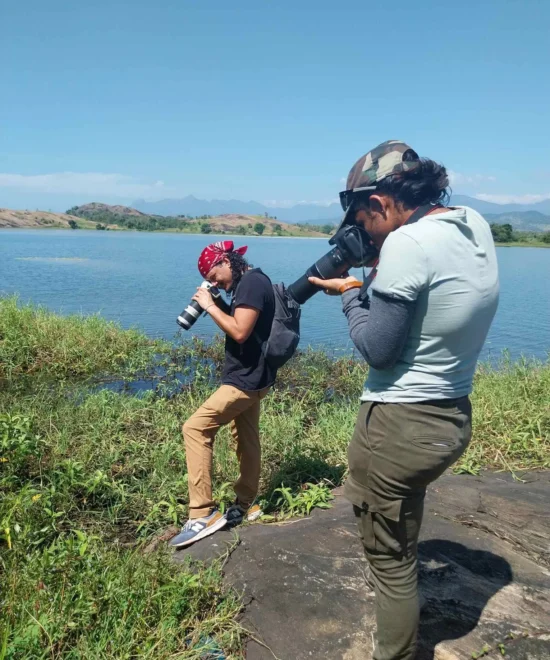
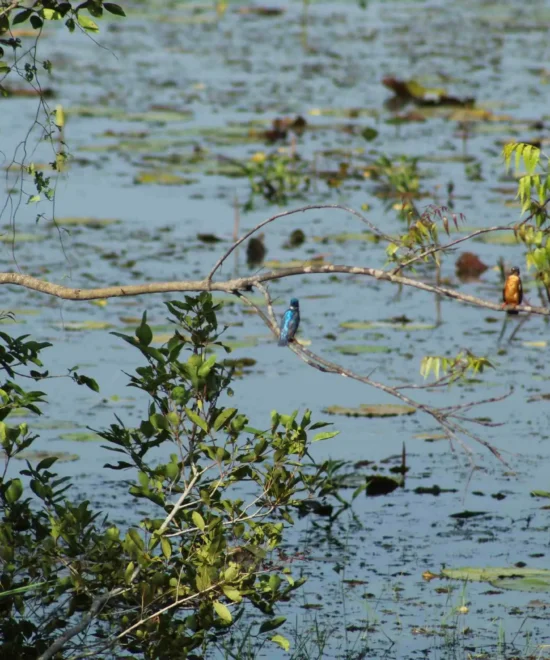
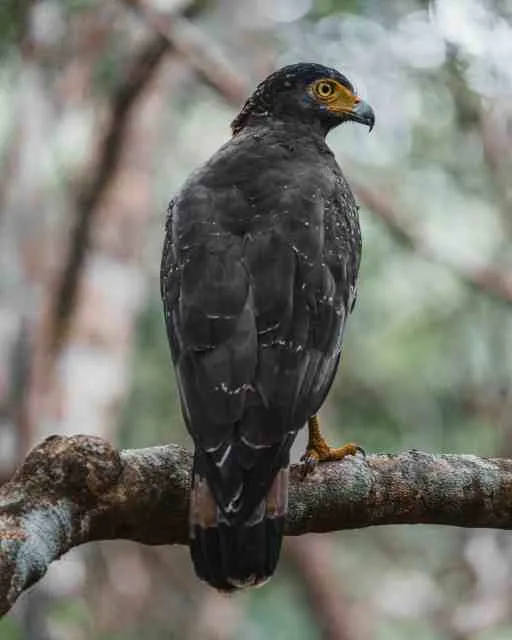
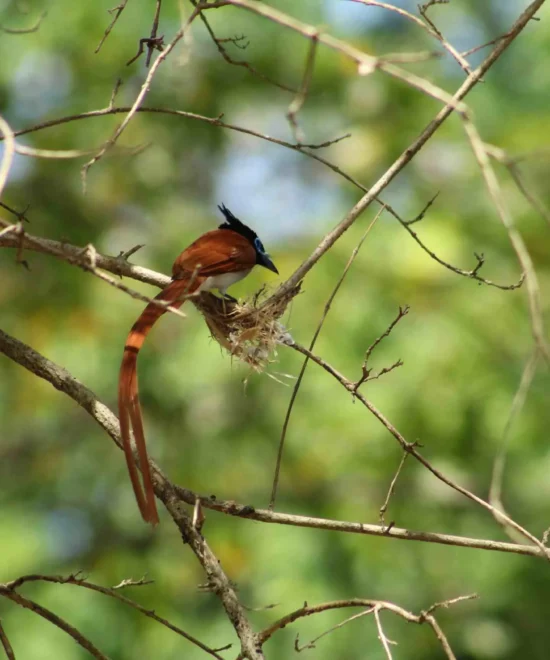
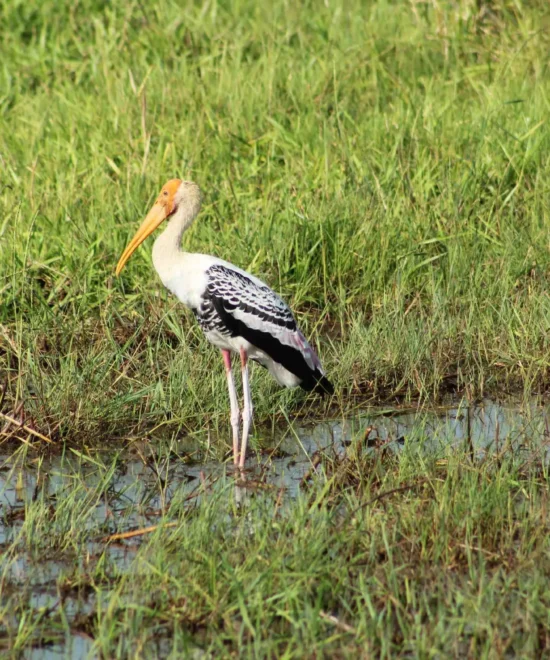
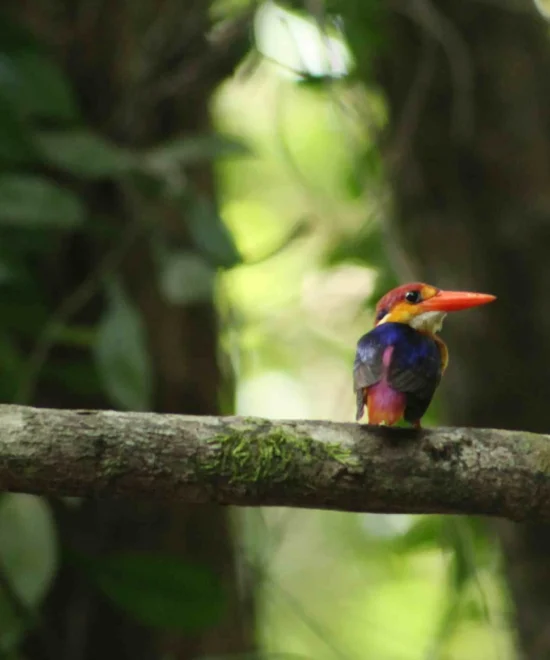
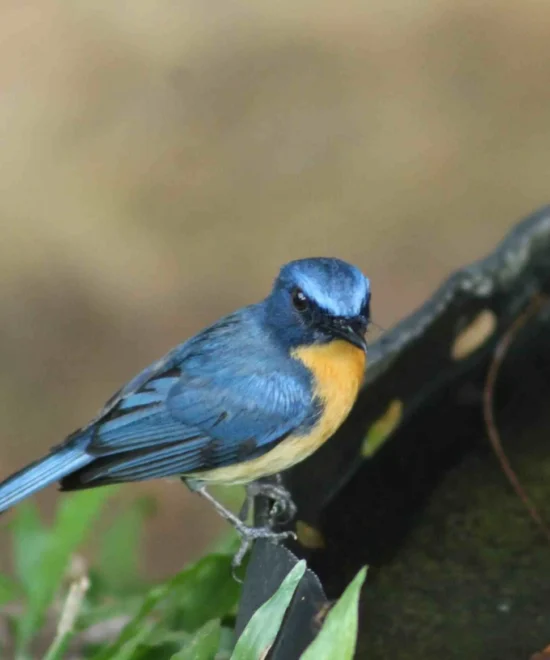
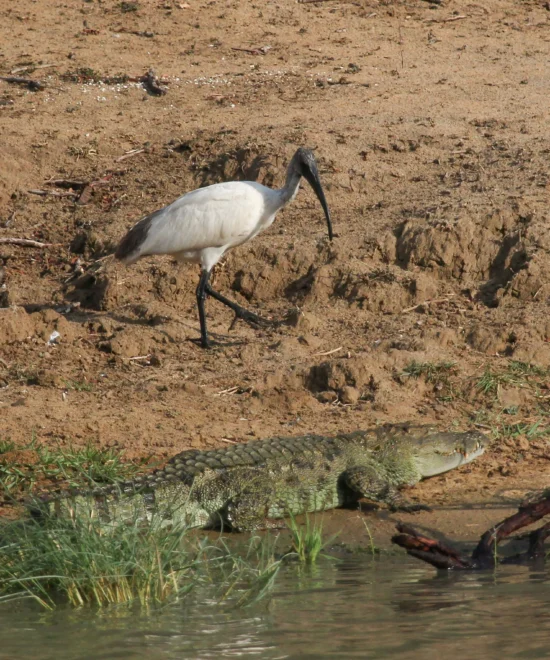
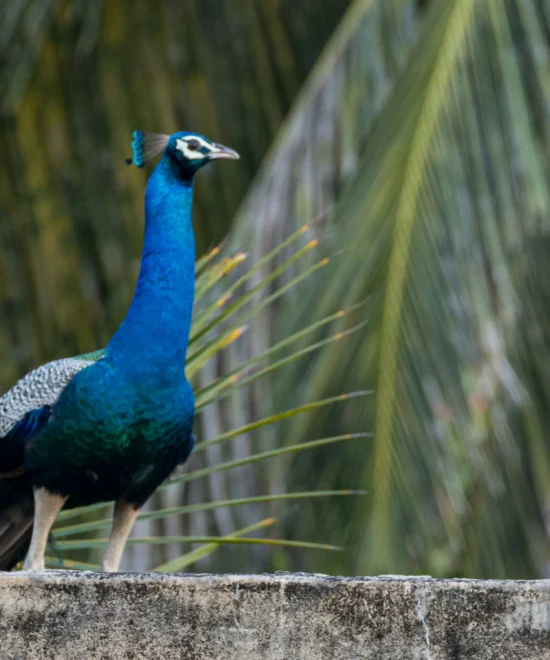
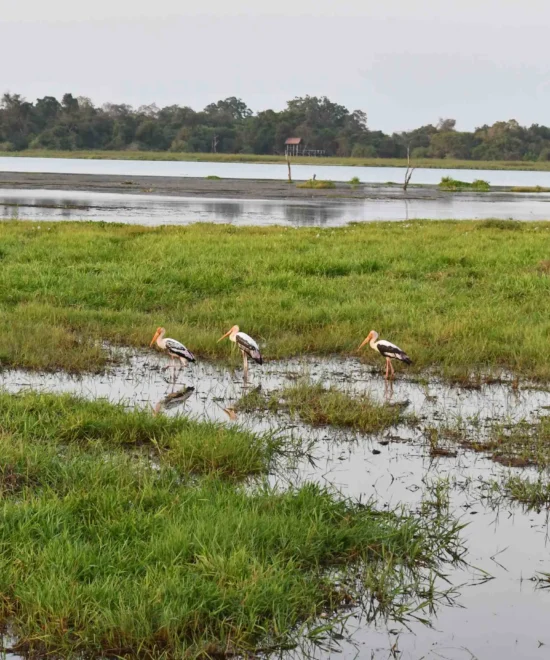
From the resonant call of the peacock to the flight of rare endemics, Wasgamuwa is a paradise for bird lovers. Learn how to identify over 200 bird species using sound, plumage, and behavior — while participating in population counts and migratory tracking.
- Activities: Morning bird surveys, point count techniques, binocular training
- Skills Gained: Avian identification, data logging, habitat correlation studies


Butterfly Ecology
Step into a world of color, flight, and fragile beauty.
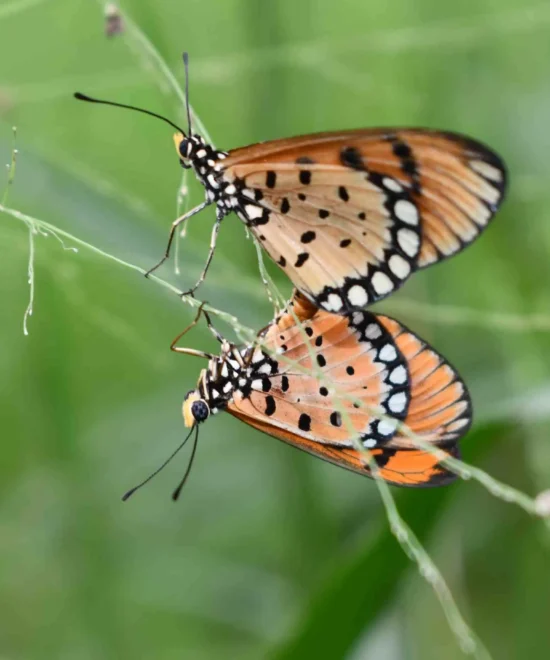
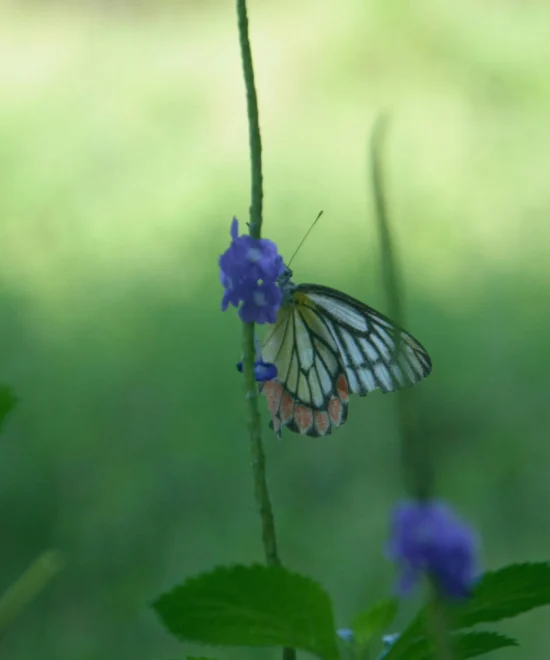
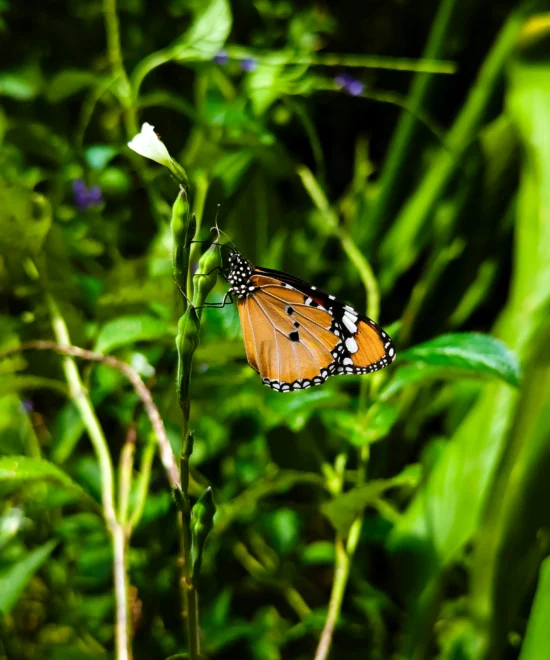
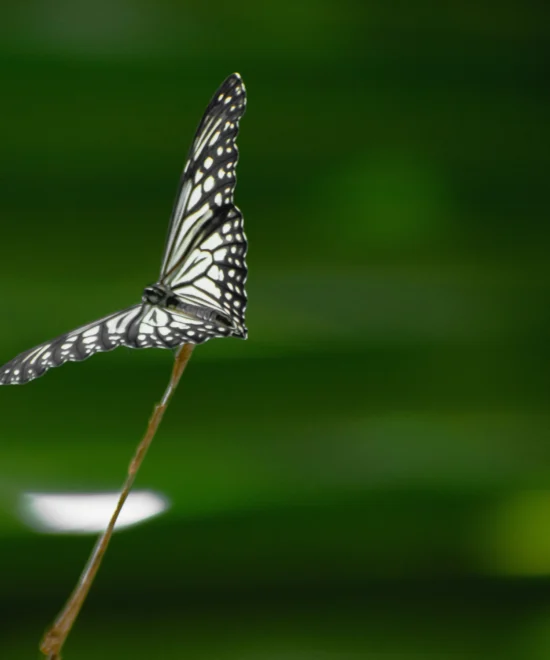
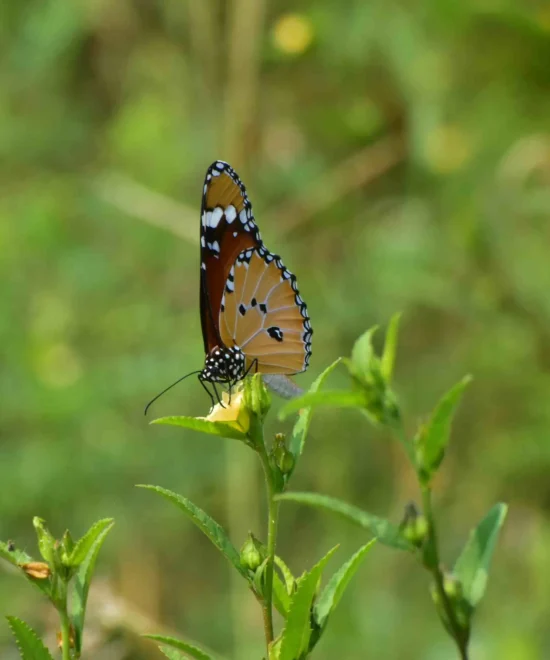
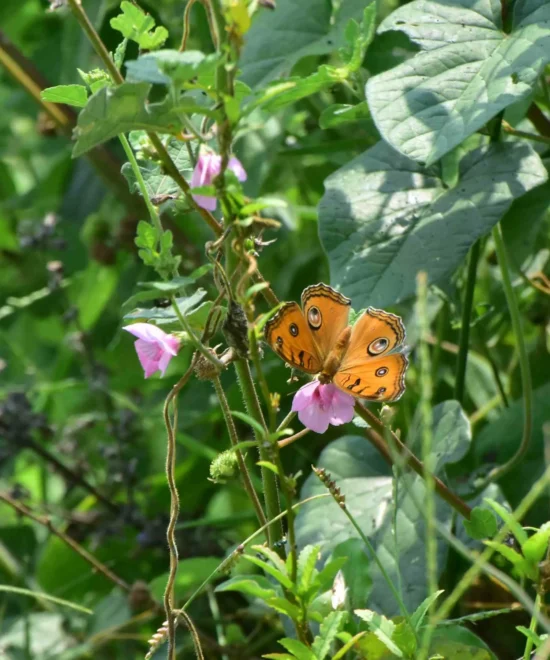
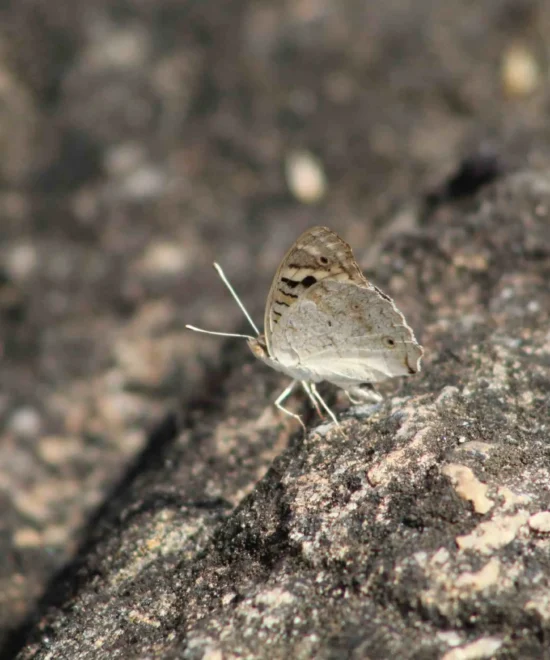
Butterflies are vital pollinators and environmental indicators. Learn how to monitor species diversity, observe larval host plants, and understand the butterfly’s role in Sri Lanka’s ecosystems.
- Activities: Butterfly netting and tagging, vegetation mapping, and behavior observation
- Skills Gained: Insect taxonomy, ecological documentation, biodiversity management


Mammals
Track giants and glimpse the unseen.
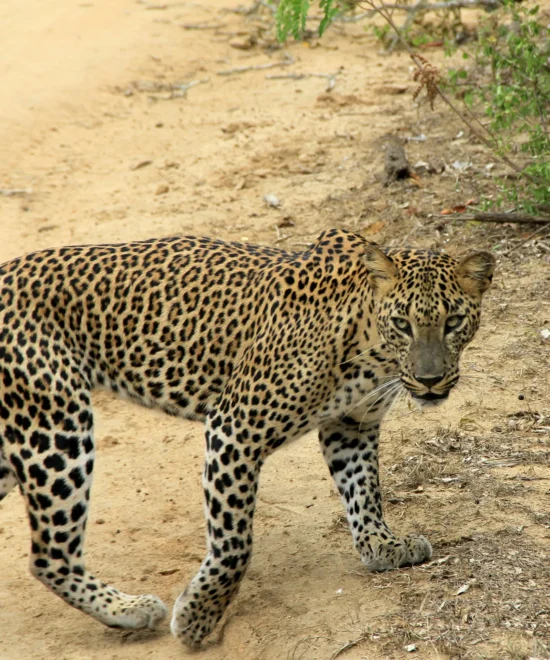
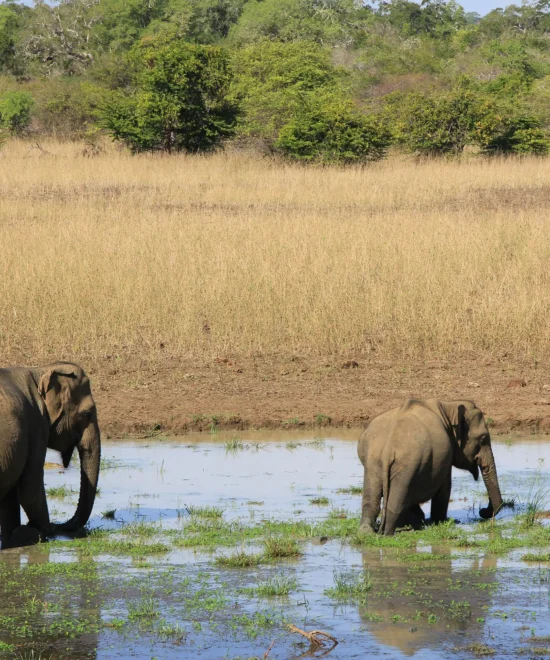
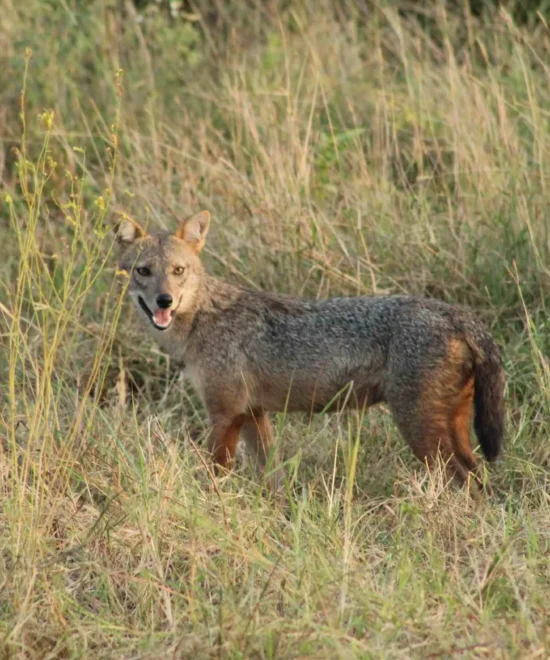
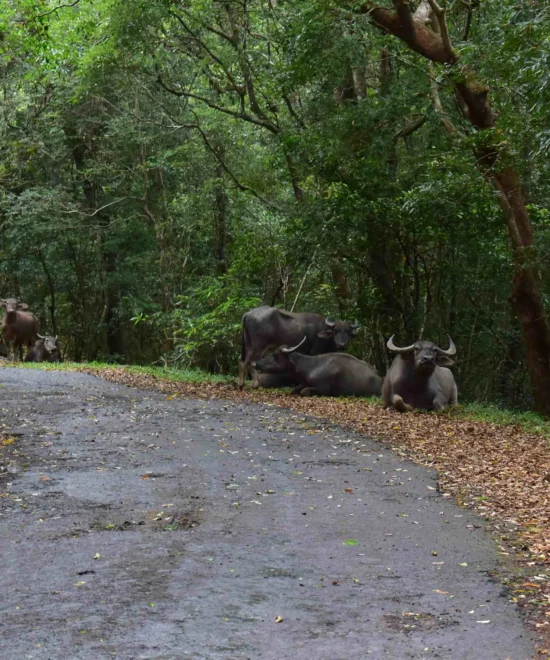
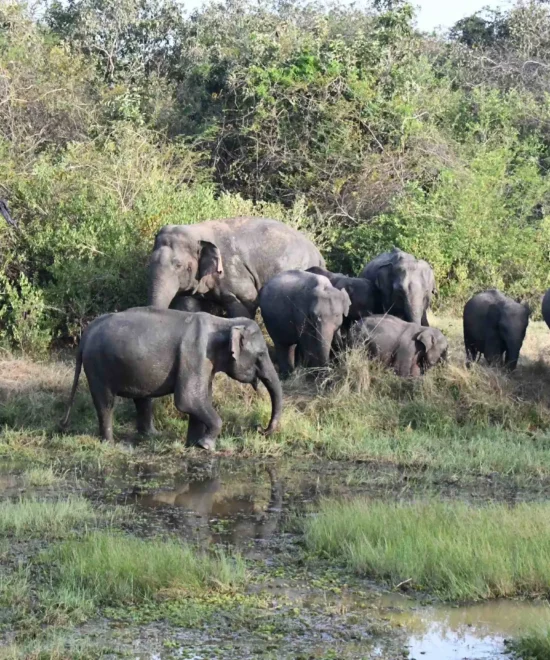
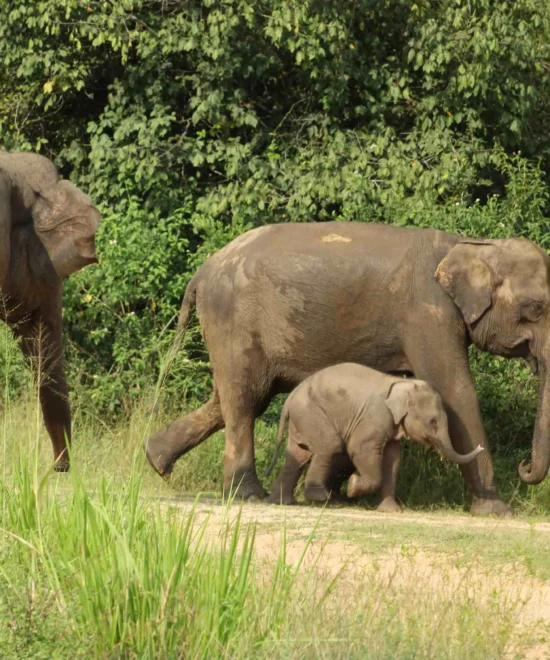
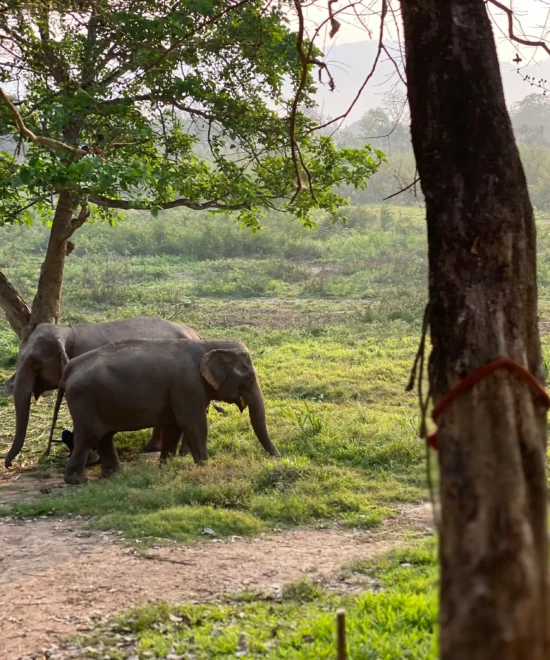
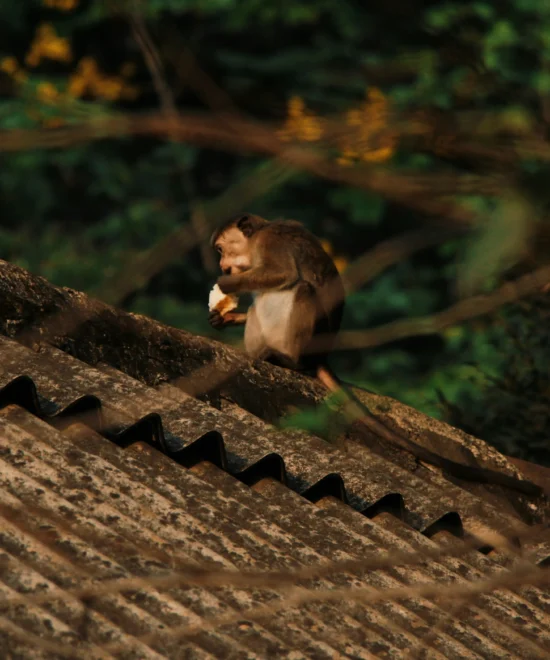
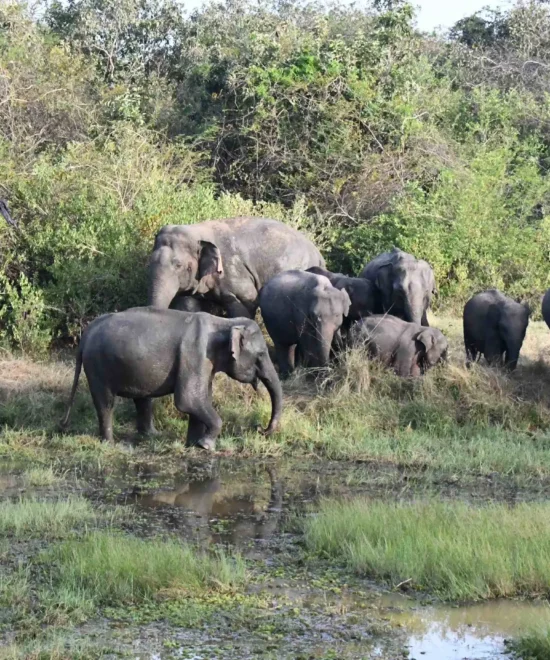
From herds of elephants to elusive leopards, Wasgamuwa’s mammal population is one of the most diverse in Sri Lanka. Learn field-tracking techniques, footprint casting, and camera trapping while contributing to long-term research on mammal behavior and conservation.
- Activities: Field tracking, camera trap setup, nocturnal surveys
- Skills Gained: Tracking and identification, behavioral data analysis, conflict mapping


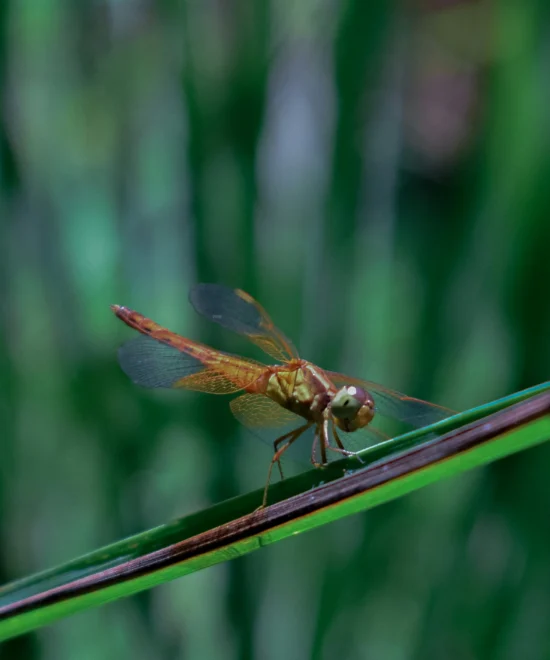
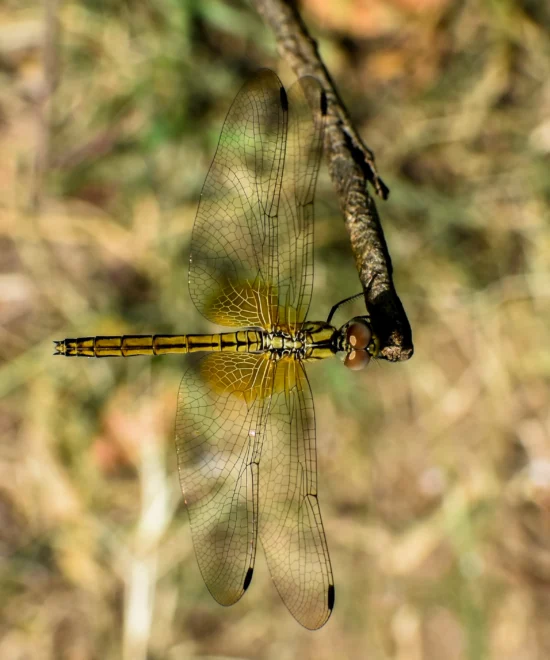
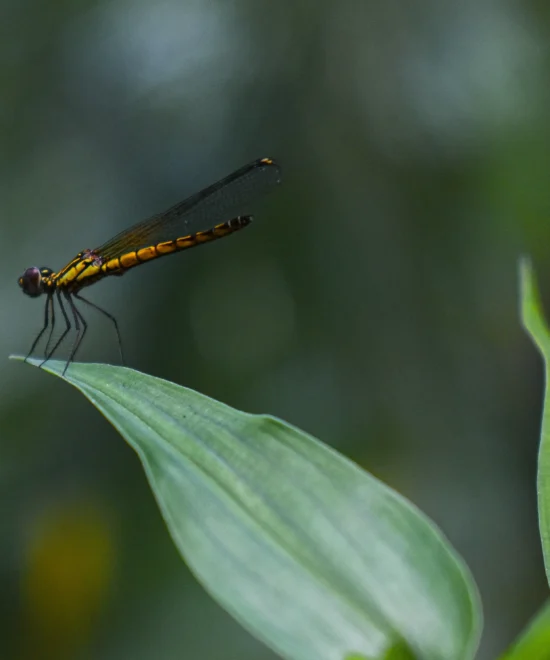
Odonata (Dragonflies & Damselflies)
Witness nature’s aerial acrobats.
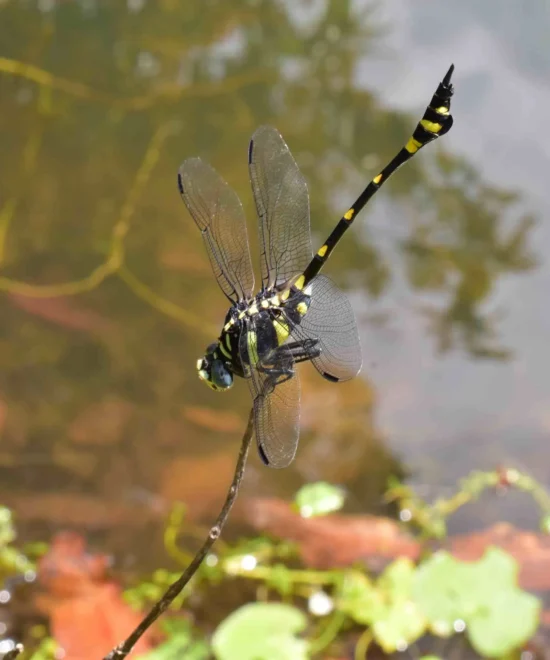
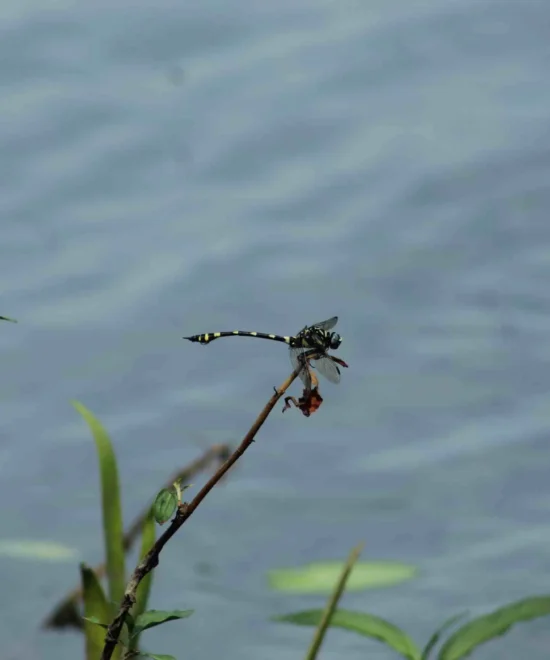
These stunning insects reveal much about ecosystem health. You’ll learn to identify dragonfly and damselfly species while studying their life cycles, aquatic habitats, and conservation value.
- Activities: Pond surveys, specimen identification, photographic documentation
- Skills Gained: Species recognition, aquatic habitat assessment, biodiversity cataloging


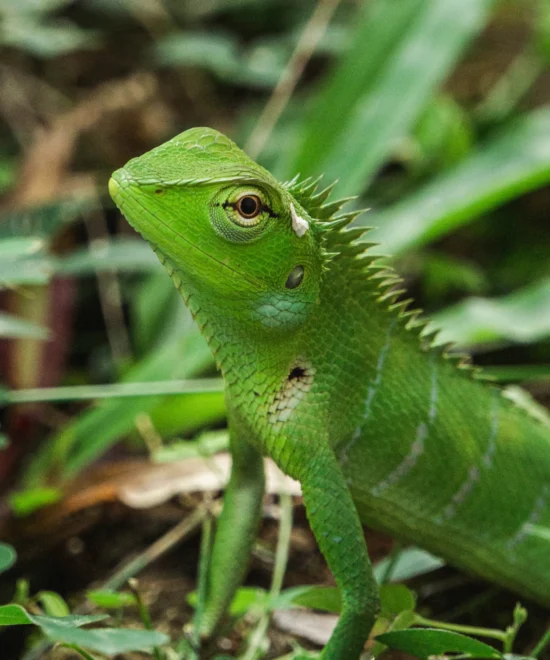
Reptiles
Understand the ancient survivors of Sri Lanka’s wild.
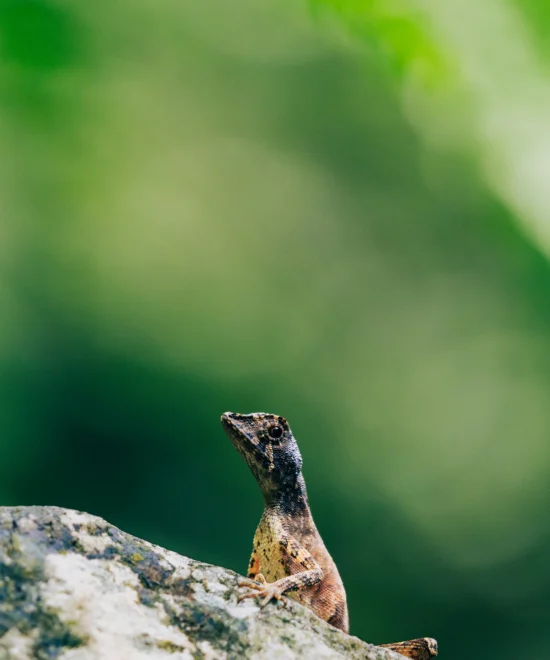
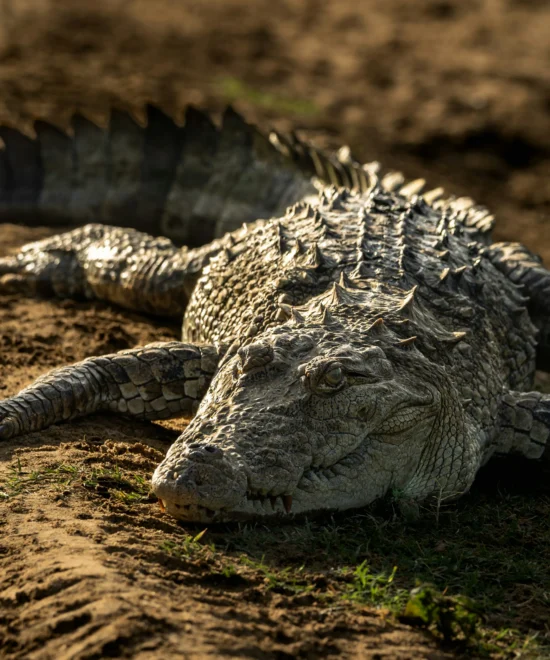
From gentle tortoises to agile lizards and elusive snakes, reptiles are key components of Wasgamuwa’s food chain. This module focuses on safe handling, identification, and conservation awareness.
- Activities: Day and night field surveys, habitat documentation, safety training
- Skills Gained: Herpetological survey skills, field safety, conservation awareness


Human–Wildlife Conflict Management
Where conservation meets coexistence.
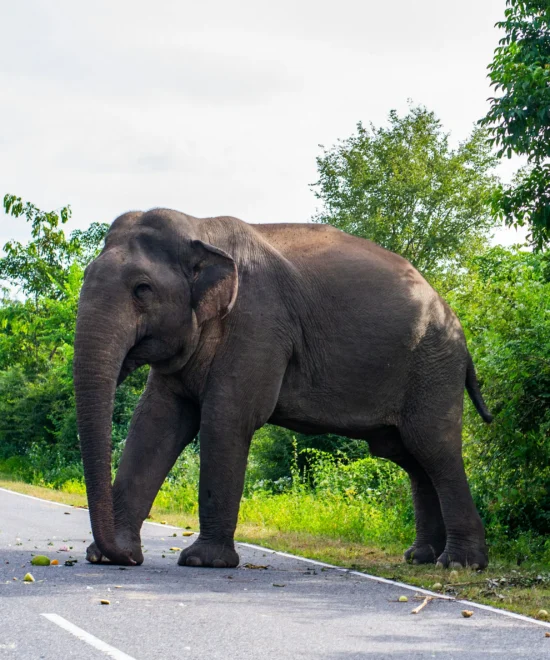
Living beside wildlife is both a privilege and a challenge. Our center works closely with local communities to study patterns of human–elephant conflict and develop sustainable mitigation techniques.
- Activities: Community interviews, field mapping, conflict mitigation training
- Skills Gained: Socio-ecological research methods, data-driven conflict analysis, stakeholder engagement


Socio–Ecological Systems
Connecting people, nature, and sustainability.
Understand the interdependence between human livelihoods and ecosystems. Participants learn how local farming, culture, and conservation interact — and how education and community action protect biodiversity.
- Activities: Community-based research, agroecology tours, participatory workshops
- Skills Gained: Socio-ecological system analysis, sustainable development strategy, participatory conservation